
Blog | Sports Rap Network
U.S. Soccer’s World Cup Problem Is Bigger Than One Loss
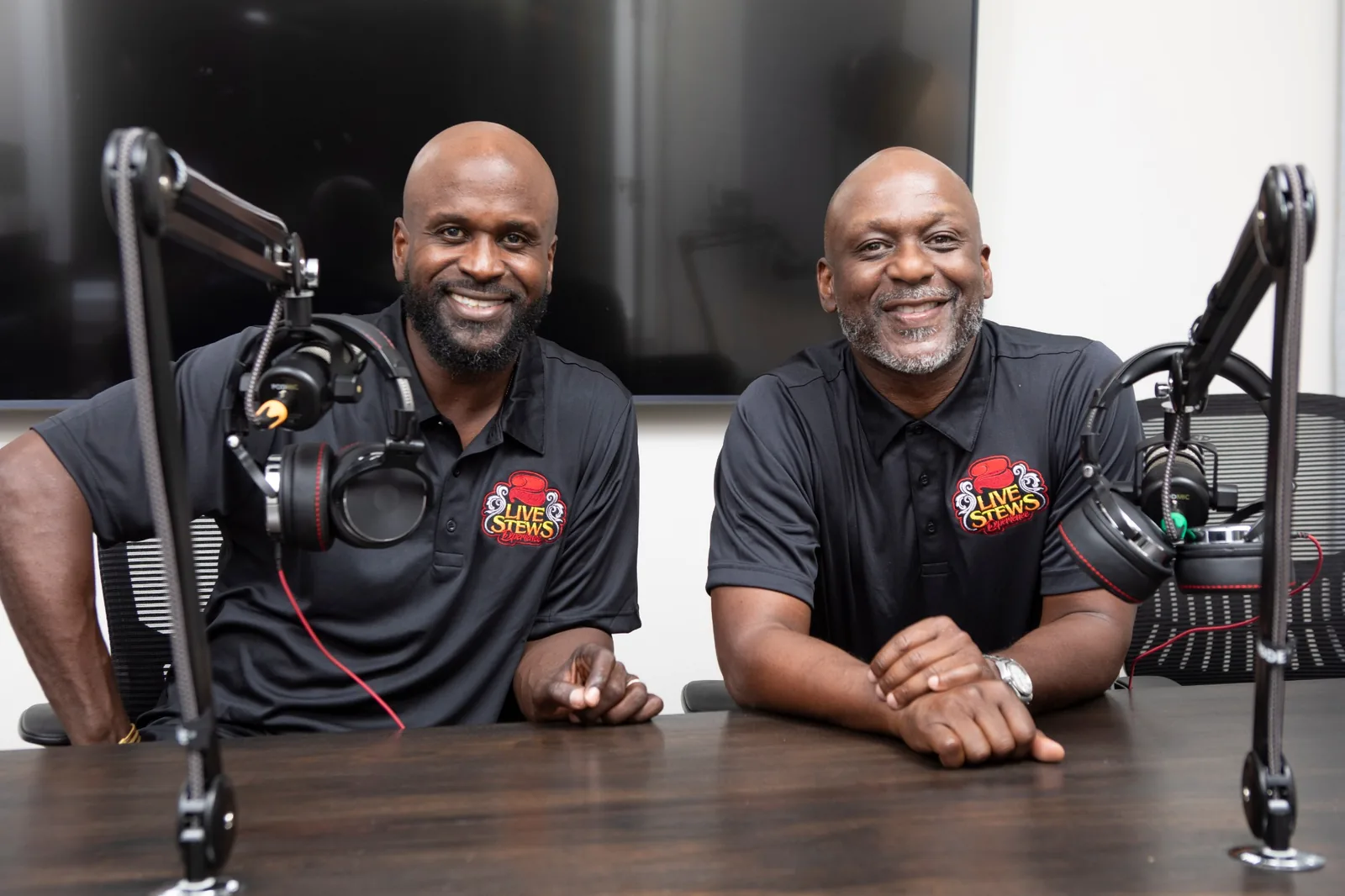
Image credit: Sports Rap Network / source-provided image
The World Cup’s final four brought the sport’s established powers into focus, but on 2 Live Stews the more urgent question was whether the United States can build a development system capable of closing the gap.
The final four of the 2026 FIFA World Cup offers the kind of star power soccer fans expect at the business end of the tournament. France, Spain, England and Argentina remain, with Kylian Mbappé and Lionel Messi among the defining names in the conversation. But the most revealing discussion on 2 Live Stews was not really about who will win the trophy.
Ryan and Doug Stewart used the tournament to revisit a harder question for American fans: why does the United States keep talking about progress while still looking distant from the game’s top nations? Their exchange was candid, sometimes sharp, and rooted in a reality that reaches beyond one disappointing performance against Belgium. U.S. soccer is growing, but growth is not the same thing as catching up.
The Final Four Shows What a Finished Product Looks Like
France entered the final four as the betting favorite in the Stews’ discussion, driven by an accomplished group and the attacking force of Mbappé. Doug Stewart noted that France had navigated the tournament without a loss, even if its recent wins had been tighter than expected. The point was not that France is unbeatable; it was that the country has multiple recognizable players and a mature identity built for this stage.
Spain, England and Argentina supplied different versions of the same lesson. Spain’s young talent and defensive discipline make it dangerous, though Doug questioned whether its youth could carry the biggest moments. England was praised for balance and strength on set pieces. Argentina still has Messi, whose value is not just finishing but the ability to organize the attack and alter a match when he enters it. These are teams with deep soccer habits, not simply talented rosters assembled for one summer.
America Cannot Treat Progress as a Slogan
Ryan Stewart voiced the impatience many U.S. fans feel after hearing for years that the country is close to turning a corner. He acknowledged the World Cup energy and the improvement in youth leagues, but argued that the loss to Belgium made the gap look significant. For him, a recurring promise of future progress means little unless the performances eventually prove that the program belongs with the sport’s strongest nations.
Doug Stewart did not dispute the gap. He disputed the expectation that it can disappear quickly. He framed the issue through family experience: all three of his children began their team-sports journeys in soccer, while many American children traditionally start in football, basketball or baseball. In much of the world, soccer is the foundational sport from the earliest years. The United States is trying to make up ground against countries that have had that head start since the sport’s inception.
Access Is the Development Issue Beneath the Debate
The most important part of the Stews’ conversation centered on the cost of being seen. Doug argued that the American system commercializes youth soccer in ways that can limit access to travel teams, camps and the exposure that follows. A family that cannot spend heavily may have a talented child who never reaches the coaches, programs and scouting networks capable of moving that player forward.
That concern matters because youth sports are not merely recreation when college and professional pathways begin to emerge. Mason’s experience at a Clemson soccer camp showed the upside of access: instruction from college players, competition with peers at a similar level, feedback and communication that can keep a young athlete on the radar. Those opportunities can build confidence and sharpen skill. But a system cannot call itself a true national pipeline if too many children are screened out by cost before their ability can be evaluated.
A Long-Term Plan Requires More Than Optimism
Doug invoked the example of an Asian nation that, when hosting a World Cup, laid out a 100-year plan to become capable of winning one. Whether the exact timetable sounds extreme is beside the larger point: serious soccer development is measured in generations. The United States cannot rely on a burst of interest during a World Cup, then expect momentum to sustain itself without intentional investment in coaching, facilities, scouting and affordable competition.
Ryan’s skepticism still serves a purpose in that process. Optimism without accountability can become an excuse. The United States should celebrate more children playing, stronger camps and wider visibility for the sport, while also demanding better results and a clearer route for players who are not born into financial advantage. A long plan only works if it has milestones that prove the plan is reaching real communities and producing better players.
What It Means
The World Cup should not be treated as a four-year referendum that produces either celebration or panic. It should be a reminder that elite international soccer is built through systems that identify children early, teach them well and refuse to let family income decide whose potential gets a real audition. That work will not be finished by the next tournament, and pretending otherwise only sets the conversation back.
The Stews’ debate ultimately lands on a shared challenge: America must turn growing interest into wider opportunity. More young players like Mason attending camps and receiving instruction is encouraging. But the country’s future depends on whether that opportunity reaches beyond the families already positioned to pay for it. That is how a sport moves from a promising youth activity to a genuine national pathway.
Substantive update: